Conversation with Davide Lombardo
Villa La Pietra — New York University in Florence
13 February 2017
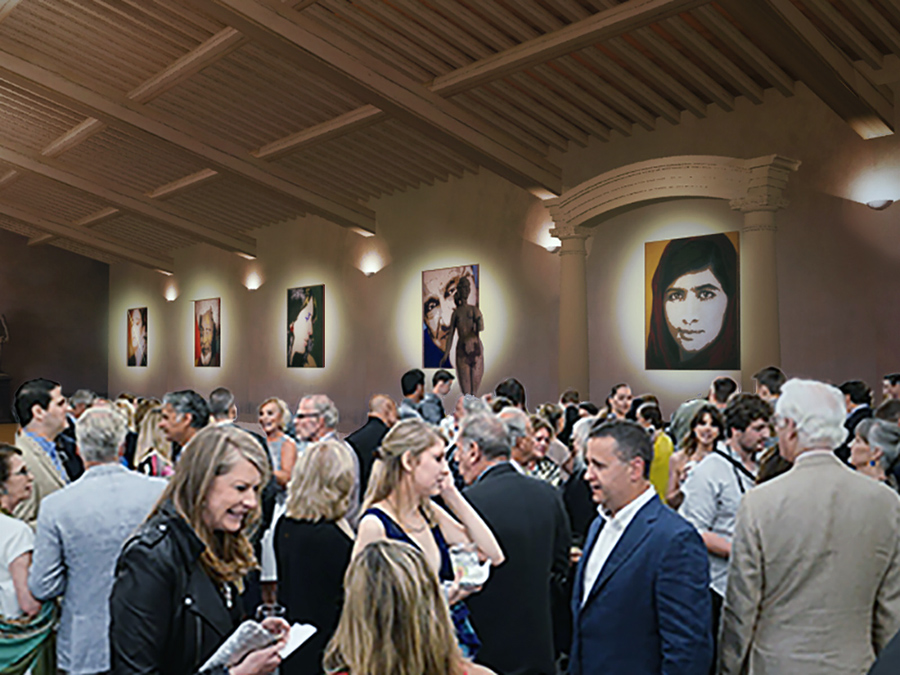
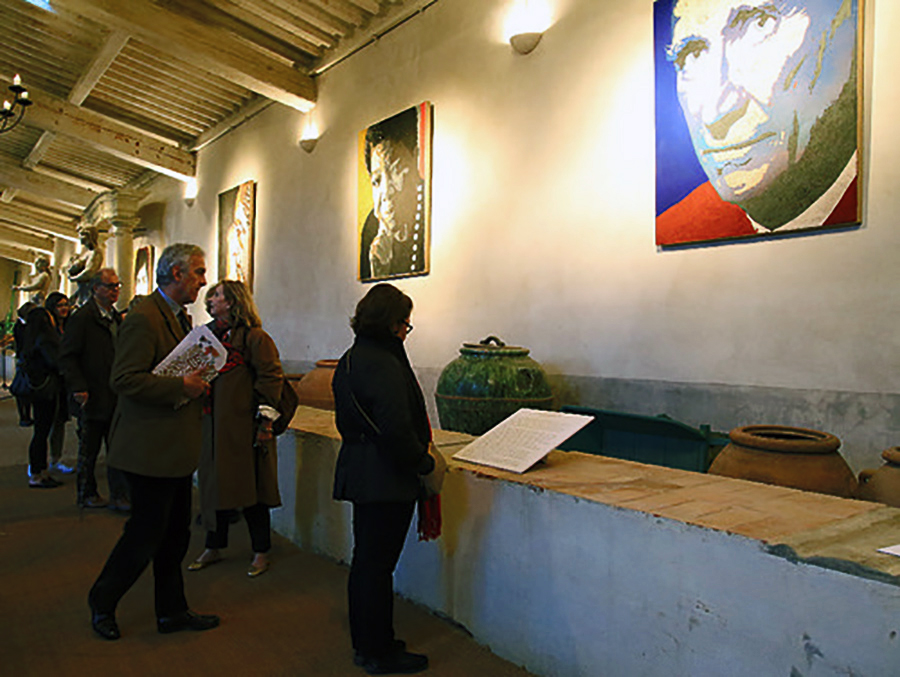
The conversation with Davide Lombardo took place in the Limonaia of Villa La Pietra (NYU Florence) in the context of the exhibition of fresco portraits by Fabrizio Ruggiero. The dialogue addressed the conceptual framework of the project, the role of portraiture as effigy, and the contemporary reactivation of fresco within institutional and academic contexts.
Within the academic framework of NYU Florence, the portrait is articulated not as a document of likeness, but as a symbolic threshold. The effigy suspends individual identity in favor of a reflective space in which memory, ethical positioning, and cultural responsibility intersect. The fresco surface becomes an epistemic field where material process and conceptual inquiry remain visible.
The dialogue also situates the Villa La Pietra exhibition within a broader constellation of institutional presentations, including the United Nations Headquarters in New York and Casa Italiana Zerilli-Marimò (NYU). Through this continuity, the project articulates portraiture as a form of public thinking, in which the image becomes a site of ethical visibility rather than representation.
DAVIDE LOMBARDO:
Let’s start from the portraits that went to the UN and are coming to La Pietra. How did this project develop?
FABRIZIO RUGGIERO:
In 2015, the United Nations headquarters in New York had just been renovated for the 70th anniversary of the UN Charter. The President of the General Assembly promoted a theme of transforming people’s lives sustainably. I imagined the exhibition with Idanna Pucci and Terence Ward as composed of two elements with a shared root: abstract sculptures and portraits. The objective was to show how art can build bridges where politics divide.
DAVIDE LOMBARDO:
How did you choose the sitters?
FABRIZIO RUGGIERO:
The portraits depict artists, writers, poets from all continents who contributed to the common good of humanity. These effigies represent generosity and compassion: Maya Angelou, Joan Baez, Audrey Hepburn, Kandinsky, Gong Li, Miriam Makeba, Edgar Morin, Malala Yousafzai and others.
DAVIDE LOMBARDO:
Why effigies and not icons?
FABRIZIO RUGGIERO:
“Effigy” comes from Latin effingĕre — to shape in relief. These works are built in layers, materially and spiritually. Icons are sacred; these people are humanists. The term “human beings” unites us more than “people.”
DAVIDE LOMBARDO:
What are you working on now?
FABRIZIO RUGGIERO:
Many cultures say the future lies behind us — we can’t see it until it arrives. I love that. Pliny the Elder said painting began by tracing a line between light and shadows. That means painting is the border line between light and dark, order and chaos. For me, painting is a way to develop awareness — to be fully in the now. It's always modern because it marks the line between past and present. It’s freedom from the oppression of the “next.”